Regular semi-trailer maintenance helps your trailer last longer. When you check your trailer often, you find small problems early. This stops big repairs from happening. Fixing things early saves money and keeps your trailer safe. Simple steps like adding oil and changing old parts help a lot. Parts like brake pads and tires need to be checked. This protects other systems in your trailer. For good tips, read your semi trailer manufacturer’s guidelines. These tips help your trailer work well for a long time.
Key Takeaways
- Look over your trailer before every trip. This helps you find small problems early. Fixing them now stops bigger, expensive repairs later.
- Use a maintenance schedule that matches how much you use your trailer. This keeps your trailer safe. It also helps it last for many years.
- Check your tire pressure often. Also, look at the tires to see if they are in good shape. This helps stop blowouts. It also saves fuel.
- Write down all repairs and inspections. Keeping records helps you remember what you fixed. It also helps you plan what to do next.
- Store your trailer the right way. This protects it from bad weather. It helps your trailer last longer.
Routine Inspections
Pre-Trip Checks
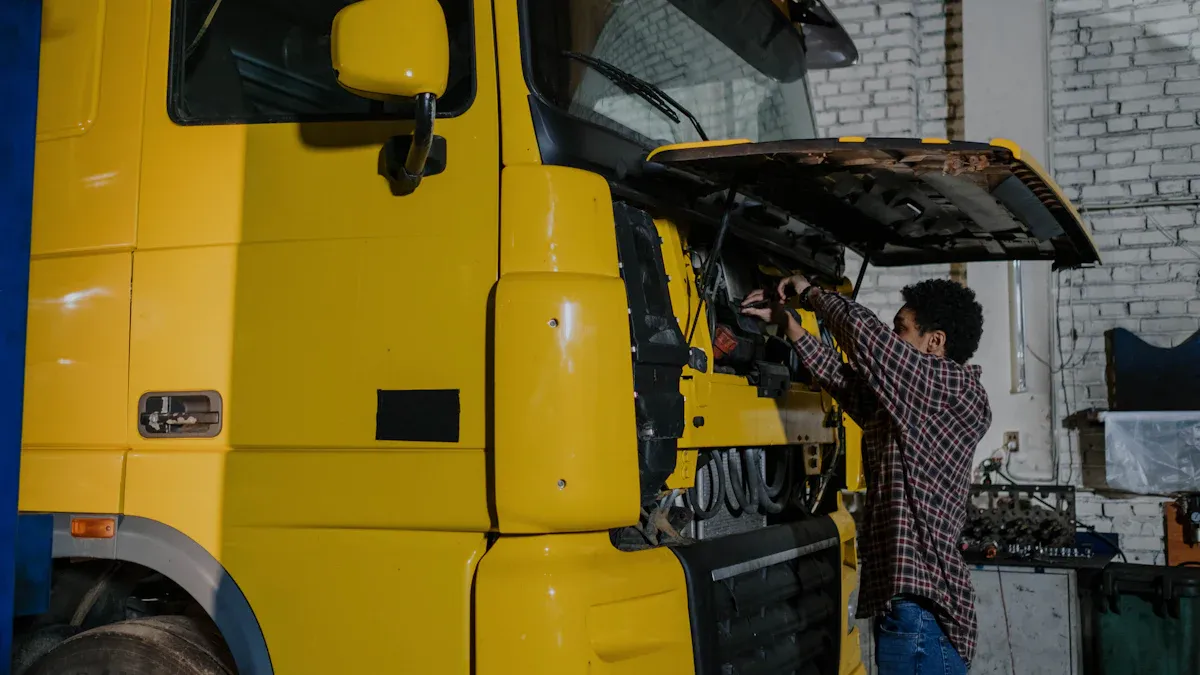
Start each day with a pre-trip inspection. This helps you find problems before driving. Look for things that are broken or look wrong. If you check carefully, you can stop small problems from getting worse.
Tip: Use a checklist so you do not forget anything important.
Here are some common problems you might see during checks:
- Braking system failures can make driving unsafe and cause brake loss.
- Suspension system issues can make the ride rough and wear tires unevenly.
- Tire-related problems like low air or bad alignment make your trailer less safe and less efficient.
- Electrical and lighting issues, such as bad wiring or blown fuses, can be dangerous on the road.
Check all these things before every trip. Regular inspections help you find problems early.
Service Intervals
You should follow a schedule for inspections and service. Experts say to check your trailer every 3 to 6 months. How often depends on how much you use it and where you drive. Every 3 months or 25,000 miles, do a visual check and add lubrication. Every 6 months or 50,000 miles, check brake lining and test the electrical system.
- Do a pre-trip inspection every day.
- Full-service checks should be done by mileage, use, or what your manufacturer says, usually every 12,000 to 24,000 miles.
- At each service, check tires, lights, brakes, suspension, and add lubrication.
If you follow these times, your trailer will last longer and stay safe.
Semi-Trailer Maintenance Checklist
A good checklist helps you keep your semi trailer safe. You should use a list of tips for each part. Regular checks and service help your trailer run well. This also stops expensive repairs.
Tire Pressure and Condition
Tire care is very important. Always check tire pressure before you drive. Use a gauge to see if the pressure is right. The pressure should match what the maker says. Low pressure can cause blowouts and waste fuel. Look at the tread depth on your tires. The law says you need at least 2/32 inches. But 6/32 inches is better for performance. Here is a table that shows the minimum tread depth for each tire:
| Tire Type | Minimum Tread Depth |
|---|---|
| Steer tires | 4/32 of an inch |
| Drive tires | 2/32 of an inch |
| Trailer tires | 2/32 of an inch |
Check tires for cracks, bulges, or other damage. Rotate your tires often so they wear evenly. Keeping the right tire pressure and checking often helps stop accidents. This keeps your trailer safe.
Brake System
Brakes are very important for safety. Check the brake system every day and during service. Look at brake pads and shoes for wear. Check air hoses for leaks or cracks. Make sure drums and rotors are not damaged. Test the air brake system pressure. You should check the brake system once a year or after 12,000 miles. If you drive in hard places, check more often. Worn brakes can fail and cause accidents. Daily checks help you find problems early and keep your trailer safe.
Tip: Do not ignore strange noises or weak brakes. These signs mean you should check and fix your brakes now.
Lubrication
Lubrication helps moving parts work well. Use oils or greases with the right thickness. Pick lubricants with anti-wear and anti-rust agents. Make sure the lubricant fits your trailer’s materials. Lubricate hinges, locks, the fifth wheel, and other moving parts every time you check. Good lubrication lowers friction and wear. It also stops rust and keeps your trailer in good shape.
Electrical System
You should check the electrical system often. Look at wires and connectors for damage. Test all lights, like brake lights and signals. Check the battery for wear or rust. Problems like bad batteries, alternators, or wires can cause breakdowns. Here is a table that shows common electrical problems and what they mean:
| Electrical Issue | Description |
|---|---|
| Faulty Batteries | Batteries can wear out from age or heat, making it hard to start. |
| Malfunctioning Alternators | A bad alternator can drain the battery fast and cause problems. |
| Starter Motor Problems | A bad starter motor can make clicking sounds and stop the engine from starting. |
| Wiring Harness Damage | Broken wires can cause lights to stop working right. |
| Lighting System Failures | Bad bulbs or wires can make it hard to see and be seen. |
Checking the electrical system often helps stop breakdowns. This keeps your trailer safe.
Suspension
The suspension holds up your trailer and cargo. Check leaf springs, airbags, shocks, and struts for wear. Tighten bolts and mounts every time you check. Look for uneven tire wear, which can mean suspension trouble. If your trailer bounces or sways a lot, the suspension may be bad. Listen for clunks or squeaks. Check for sagging or uneven height. Finding suspension problems early saves money and keeps your trailer steady.
Pneumatic System
The pneumatic system controls air brakes and other parts. Check air hoses and connections for leaks. Test the air pressure in the brake system. Make sure all valves and fittings work right. Daily checks help you find problems before they get worse. If brakes are slow or you hear hissing, check the pneumatic system right away.
Cleaning and Corrosion Prevention
Keeping your trailer clean stops rust. Wash your trailer often with cleaners that fight rust. Use two steps: first a low pH cleaner, then a high pH cleaner to get rid of dirt and salt. Dry your trailer well after washing. Put wax or ceramic coatings on surfaces to protect them. Spray anti-rust products on the bottom and other open spots. Clean off anything that can cause rust fast. If you spill chemicals or cargo, get a pro to clean it.
Note: Cleaning and checking your trailer often helps you find rust early. This keeps your trailer looking new.
A full checklist covers tires, brakes, lubrication, electrical systems, suspension, pneumatic systems, and cleaning. Doing these things keeps your trailer safe and reliable for many years.
Maintenance Tips for Longevity
Preventive Measures
You can help your semi trailer last longer with easy steps. Keeping the trailer frame clean is very important. Dirt and road salt can make rust form. Rust makes the frame weak over time. Wash your trailer a lot, especially after wet or salty trips.
Put protective coatings on the undercarriage and joints. These coatings block water and chemicals. They help stop rust and corrosion. Check these coatings often. If you see chips or damage, put on more coating right away. This keeps your trailer strong and safe.
Regular check-ups are important for semi-trailer maintenance. Look at all moving parts like hinges and springs. Lubricate them to stop rust and reduce wear. Make sure all connections are tight. Loose bolts or fasteners can cause bigger problems if you ignore them.
Here are some important maintenance tips to keep your trailer in good shape:
| Maintenance Measure | Description |
|---|---|
| Regular Inspections | Check your trailer often to find small issues before they become big problems. |
| Tire Care | Check tire pressure, rotate tires, and look for damage to keep your trailer safe and lasting. |
| Lubrication of Moving Parts | Use lubricant on hinges and springs to stop rust and reduce wear. |
| Maintenance of the Braking System | Inspect and replace brake pads, check fluid levels, and clean brakes for reliable stopping. |
| Checks on Lighting and Electrical Systems | Make sure all lights work and wires are secure for safe driving. |
Tip: Doing things like using rust-resistant coatings and regular lubrication helps you avoid big repairs and keeps your trailer working longer.
Storage Best Practices
Storing your trailer the right way is very important. Always park your trailer in a covered spot if you can. This keeps it safe from sun, rain, and snow. UV rays can hurt paint and rubber parts. Moisture can cause rust and corrosion.
Pick a parking spot with good drainage. Water under your trailer can make rust form faster. Try to park on higher ground. Make sure the area has good airflow. This stops moisture from building up inside and outside your trailer.
Keep the temperature steady where you store your trailer. Big changes in temperature can make metal parts move. This can make joints and connections weak over time. If you store your trailer for a long time, check it often. Look for rust, leaks, or damage.
Put protective coatings on open areas before you store your trailer. This gives extra protection from the weather. Clean your trailer inside and out before storage. Take away any dirt, salt, or chemicals that could hurt your trailer.
Note: Good storage habits and regular checks help you stop problems and make your trailer last longer.
If you follow these maintenance tips, your semi-trailer maintenance routine will cover all the important steps. You protect your investment and get many years of good service. Good trailer maintenance, regular checks, and proper storage are the best ways to keep your trailer safe and working well. These habits also help you meet tractor trailer maintenance standards and keep your equipment ready for the road.
Safety Tips
Safe Work Procedures
You play a big role in keeping yourself and others safe during semi-trailer maintenance. Always follow safe work steps to avoid accidents. Here are some important things you should do:
- Inspect your tire before you start. Look for low air, leaks, or worn tread. Fix any problems right away to prevent accidents.
- Check all fluid levels. Make sure oil, fuel, coolant, and antifreeze are at the right levels. Watch for leaks that could cause trouble.
- Ensure the brake system works well. Test the air pressure, alarms, and automatic parking brakes. This helps you avoid brake failure.
- Test the electrical system and wiring. Make sure all lights and signals work. Replace any broken parts to keep your trailer safe.
- Review your routine service records. Confirm that all maintenance tasks are current. This step helps you keep your trailer in top shape.
Tip: Always wear gloves and safety glasses when you work on your trailer. These protect you from sharp edges and chemicals.
Warning Signs
You need to watch for warning signs that show your trailer may not be safe. If you notice any of these, stop and fix the problem before you drive:
- Unusual noises from the brakes or suspension
- Flickering or dim lights
- Uneven tire wear or bulges
- Leaking fluids under the trailer
- Air pressure drops in the brake system
If you see these signs, take action right away. Quick repairs help you avoid bigger problems and keep safety on the road. Good tractor trailer maintenance means you check your trailer often and fix issues fast. This keeps your equipment ready for every trip and helps you meet service standards.
Trailer Maintenance Records
Documentation
It is important to keep records for every trailer maintenance job. Good records help you remember what you did and what still needs work. Write down each time you check or fix your trailer. Always include the date, what you checked, and any repairs you made. This habit helps you see patterns and plan for future work.
Here are some things you should write in your records:
- Cooling and heating: Look for leaks, clean out debris, and fix A/C parts.
- Brakes: Check brake pads, look for leaks, and test the parking brake.
- Lights: Make sure all lights work and check for broken lenses.
- Tire: Write down pressure, tread depth, and any problems you see.
- Fluids: Watch for leaks, check levels, and change fluids when needed.
- Battery and electrical systems: Test the battery, check wires, and clean the terminals.
- General cab and trailer inspection: Look for leaks, test wipers, and check for road salt.
- Other items: Check air filters, look at spark plugs, and pay attention to dashboard warning lights.
Tip: Use a notebook or a phone app to keep your records neat and easy to find.
Benefits
Keeping good trailer maintenance records gives you many benefits. You can find problems early and fix them before they get worse. Regular checks help you avoid big repairs and keep your trailer working longer. You also help your trailer run better and save money on fuel.
A good record system helps you follow tractor trailer maintenance rules. You can show proof of service during checks. This helps you avoid fines and makes inspections easier. Good records also help you manage your trailers and stop breakdowns.
- You save money by finding problems early.
- You make your trailer last longer and keep it safe.
- You keep your business running with less time off the road.
Keeping up with trailer maintenance records helps protect your trailer and keeps it ready for every trip.
Common Mistakes
Skipping Maintenance
Some people skip maintenance to save time or money. This can cause bigger problems later. If you miss a check, hidden damage can get worse. Many drivers forget to look at wheel bearings or add grease. This can make the wheel bearings fail and leave you stuck. If you do not care for your tires, they can wear out or blow out. Suspension problems, like old springs, can make your trailer less steady. This can also wear out other parts faster. If your lights break, you cannot see well and others cannot see you.
Here are mistakes you should not make:
- Not checking or greasing wheel bearings
- Letting tires lose air or ignoring worn tread
- Not looking at old or broken suspension parts
- Not fixing electrical problems, like bad lights
- Not checking brakes or missing leaks
If you skip service, you can face big risks. The table below shows what can happen if you do not do your maintenance:
| Risk Type | Description |
|---|---|
| Mechanical Failures | You might have brake or engine problems. |
| Safety Risks | It takes longer to stop, which can cause crashes or lost cargo. |
| Increased Costs | Bad trailers use more fuel and cost more to run. |
| Legal Liabilities | Not keeping up with maintenance can make you at fault in a crash. |
| Operational Delays | Breakdowns can slow deliveries and hurt your business. |
Ignoring Issues
Sometimes you see a small problem and hope it goes away. But if you ignore it, it can turn into a big breakdown. Small things, like a slow air leak or a bad wire, can become expensive if you wait. Checking tires, suspension, and electrical systems helps you find trouble early. If you do not fix warning signs, you could get stopped on the road, lose your load, or be late.
- Small problems can cost a lot if you do not fix them.
- Trailers help your business stay safe and keep working.
- Ignoring problems can mean lost cargo and failed checks.
Always pay attention to warning signs. A quick check now can stop a big repair later.
Choosing a Semi Trailer Manufacturer
Manufacturer Recommendations
If you want your trailer to last, pick the right semi trailer manufacturer. The best choice gives you more than just a trailer. You also get help, good quality, and peace of mind. Here are some things to look for:
- Advanced production technology. A good semi trailer manufacturer uses new machines and tools. This helps make your trailer strong and reliable.
- Quality parts brands. Check which brands of parts the manufacturer uses. Well-known brands for brakes, tires, and lights mean your trailer will last longer.
- Great after-sales service. You want a semi trailer manufacturer that helps you after you buy. Good support lets you fix problems quickly.
- Fair purchase cost. Compare prices, but do not pick only the cheapest. Try to balance cost with quality and service.
- Strong reputation. Read reviews and check ratings. A trusted semi trailer manufacturer has happy customers and good feedback.
Tip: Always ask the semi trailer manufacturer for a maintenance guide. This helps you keep your trailer in great shape.
Many top semi trailer manufacturers give you extra services. Here is a table that shows what you might get:
| Service Type | Description |
|---|---|
| Options Installation | Add tool boxes, cab protectors, pintle hooks, locks, and extra lights. |
| General Mechanics | Fix brakes, check ABS, repair pneumatic and electrical systems, and look at hub bearings. |
| Custom Manufacturing Service | Get special parts like wheel holders and ladders. |
| Body Repair Workshop | Fix or rebuild trailer bodies, replace parts, and repair floors. |
| Preventive Maintenance Program | Get regular checks and follow safety rules. |
| Aluminum and Steel Welding | Fix or strengthen with welding. |
| Manufacturer Warranty and Recalls | Get help with recalls and warranty repairs. |
Some semi trailer manufacturers also offer frame straightening, trailer uplift, driveline repair, rim polishing, wet kit installation, suspension repair, and custom trailer building.
Picking the right semi trailer manufacturer helps you get the best trailer and support. It makes it easier to keep up with maintenance and avoid big problems. This choice protects your trailer and keeps you safe on the road.
You can make your semi trailer last a long time by using these tips from experts. First, check tire pressure and lights often. Next, test the brakes and wash under the trailer. Also, look inside and check security features. Doing regular maintenance keeps you safe. It stops breakdowns and helps your trailer work longer. If you ask your semi trailer manufacturer for advice, you can plan better. You also save money and follow rules.
| Benefit | Description |
|---|---|
| Optimize asset utilization | Use your trailer in a smarter way |
| Compliance assurance | Follow all safety rules |
Be proactive and keep records to protect your trailer.
FAQ
How often should you inspect your semi trailer?
You should inspect your semi trailer before every trip. Regular checks help you find problems early. This habit keeps your trailer in good shape and helps you avoid breakdowns on the road.
What is the most important part of trailer maintenance?
You need to check your tires, brakes, and lights often. These parts keep your trailer moving and help you stay safe. Good maintenance stops small issues from turning into big repairs.
How can you improve safety during trailer checks?
Always wear gloves and safety glasses when you work. Use a checklist to make sure you do not miss anything. Stay alert for leaks, loose bolts, or worn parts. These steps help you avoid accidents.
What should you do if you find rust on your trailer?
Clean the rusted area right away. Use a wire brush to remove loose rust. Apply a rust-fighting spray or paint. This action helps protect your trailer and keeps it strong for longer.
Why is record-keeping important for your trailer?
Keeping records helps you track repairs and inspections. You can see when you last checked each part. Good records make it easier to plan future work and keep your trailer running well.